The Medium Is the Message
In the age of AI, what is the message?
The Medium Is the Message
In the age of AI, what is the message?
The Medium Is the Message
In the age of AI, what is the message?
This episode will cover:
What McLuhan meant when he said the medium is the message
How AI complicates the idea of medium when it can imitate them all
Why the form of technology shapes us more than the content itself
What happens when intelligence itself becomes the medium
How to read the hidden messages in the tools we use every day
Every media student has heard Marshall McLuhan’s famous line: the medium is the message. The idea is simple but unsettling. It is not the content that matters most, but the form it arrives in.
Think about television. Families gathered in living rooms at the same time, not just to watch shows but to share a ritual together. The content varied, but the medium created a culture of collective viewing. Or think about social media feeds. The design rewards speed, reaction, and endless scrolling. The medium pushes us to consume quickly, no matter what the content is.
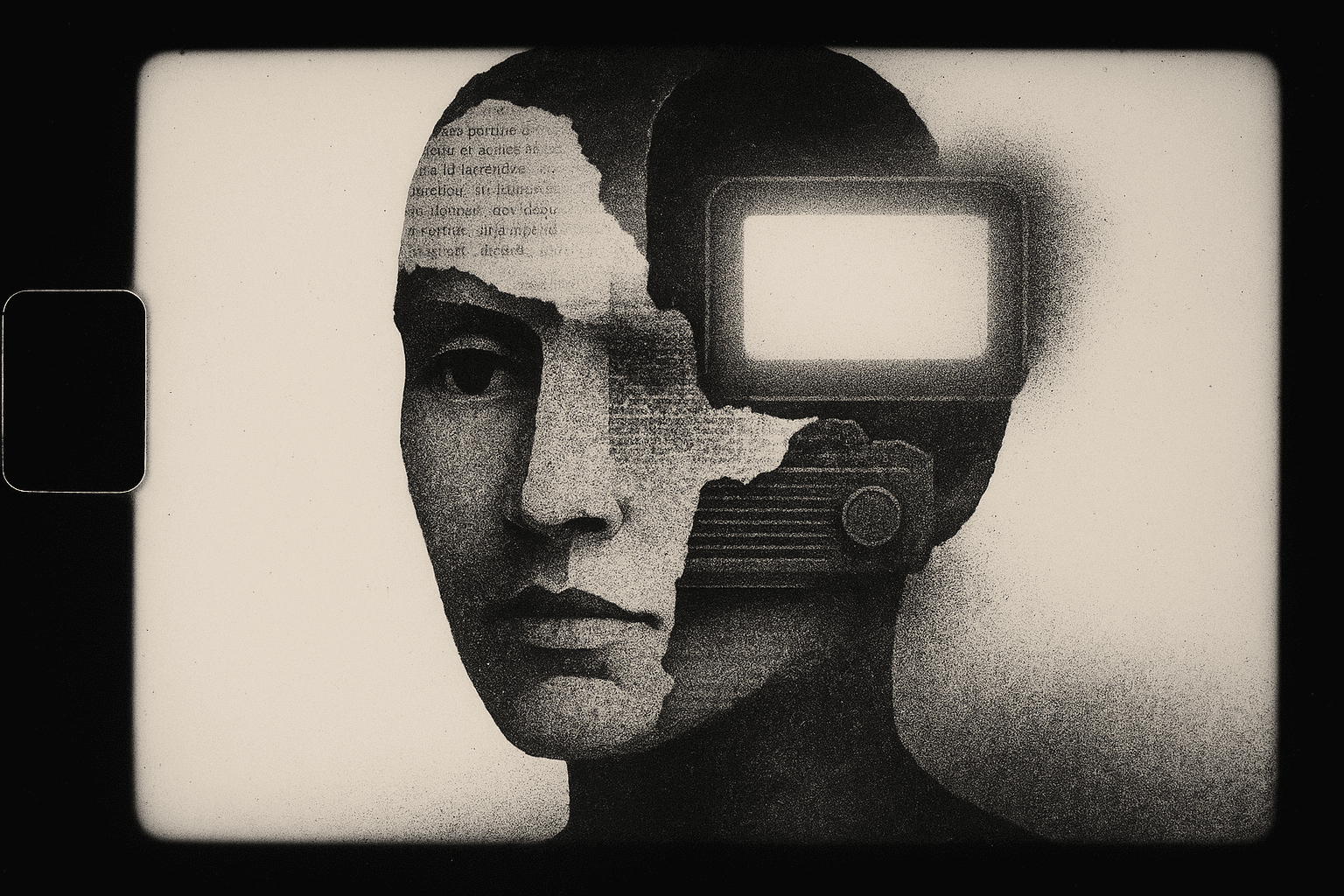
AI complicates this in a new way. It can imitate every medium at once. Text, image, sound, video, all generated and blurred together. If intelligence itself becomes the medium, then what is the message we are receiving? How does it change the way we take in and interact with information? How does it transform our community rituals, the way television once did?
We are at a strange point in the evolution of information. Instead of only consuming, we are becoming more vulnerable, because information is no longer passive. It does not just reach us, it analyzes us, adapting in real time, multiplying its influence at exponential scale.
When that kind of computing power is turned against us, it gains force on a level we have never faced before. Which means we cannot stay passive. We need to think carefully about what kind of relationship we want to have with AI, and where we begin to build it.
This episode will cover:
What McLuhan meant when he said the medium is the message
How AI complicates the idea of medium when it can imitate them all
Why the form of technology shapes us more than the content itself
What happens when intelligence itself becomes the medium
How to read the hidden messages in the tools we use every day
Every media student has heard Marshall McLuhan’s famous line: the medium is the message. The idea is simple but unsettling. It is not the content that matters most, but the form it arrives in.
Think about television. Families gathered in living rooms at the same time, not just to watch shows but to share a ritual together. The content varied, but the medium created a culture of collective viewing. Or think about social media feeds. The design rewards speed, reaction, and endless scrolling. The medium pushes us to consume quickly, no matter what the content is.
AI complicates this in a new way. It can imitate every medium at once. Text, image, sound, video, all generated and blurred together. If intelligence itself becomes the medium, then what is the message we are receiving? How does it change the way we take in and interact with information? How does it transform our community rituals, the way television once did?
We are at a strange point in the evolution of information. Instead of only consuming, we are becoming more vulnerable, because information is no longer passive. It does not just reach us, it analyzes us, adapting in real time, multiplying its influence at exponential scale.
When that kind of computing power is turned against us, it gains force on a level we have never faced before. Which means we cannot stay passive. We need to think carefully about what kind of relationship we want to have with AI, and where we begin to build it.
This episode will cover:
What McLuhan meant when he said the medium is the message
How AI complicates the idea of medium when it can imitate them all
Why the form of technology shapes us more than the content itself
What happens when intelligence itself becomes the medium
How to read the hidden messages in the tools we use every day
Every media student has heard Marshall McLuhan’s famous line: the medium is the message. The idea is simple but unsettling. It is not the content that matters most, but the form it arrives in.
Think about television. Families gathered in living rooms at the same time, not just to watch shows but to share a ritual together. The content varied, but the medium created a culture of collective viewing. Or think about social media feeds. The design rewards speed, reaction, and endless scrolling. The medium pushes us to consume quickly, no matter what the content is.
AI complicates this in a new way. It can imitate every medium at once. Text, image, sound, video, all generated and blurred together. If intelligence itself becomes the medium, then what is the message we are receiving? How does it change the way we take in and interact with information? How does it transform our community rituals, the way television once did?
We are at a strange point in the evolution of information. Instead of only consuming, we are becoming more vulnerable, because information is no longer passive. It does not just reach us, it analyzes us, adapting in real time, multiplying its influence at exponential scale.
When that kind of computing power is turned against us, it gains force on a level we have never faced before. Which means we cannot stay passive. We need to think carefully about what kind of relationship we want to have with AI, and where we begin to build it.