Love in the Age of Machines
Anime GFs are available. Intimacy is optional. Loneliness still wins.
Love in the Age of Machines
Anime GFs are available. Intimacy is optional. Loneliness still wins.
Love in the Age of Machines
Anime GFs are available. Intimacy is optional. Loneliness still wins.
This episode will cover:
Companionship made to order
When intimacy becomes optional
Why risk and conflict define real love
The promise and problem of empathetic machines
Why loneliness still wins
Love has always adapted to new tools. Letters once carried devotion across oceans. Phones let lovers talk through static lines. Now, AI companions and anime girlfriends offer affection in your pocket, ready at any hour.
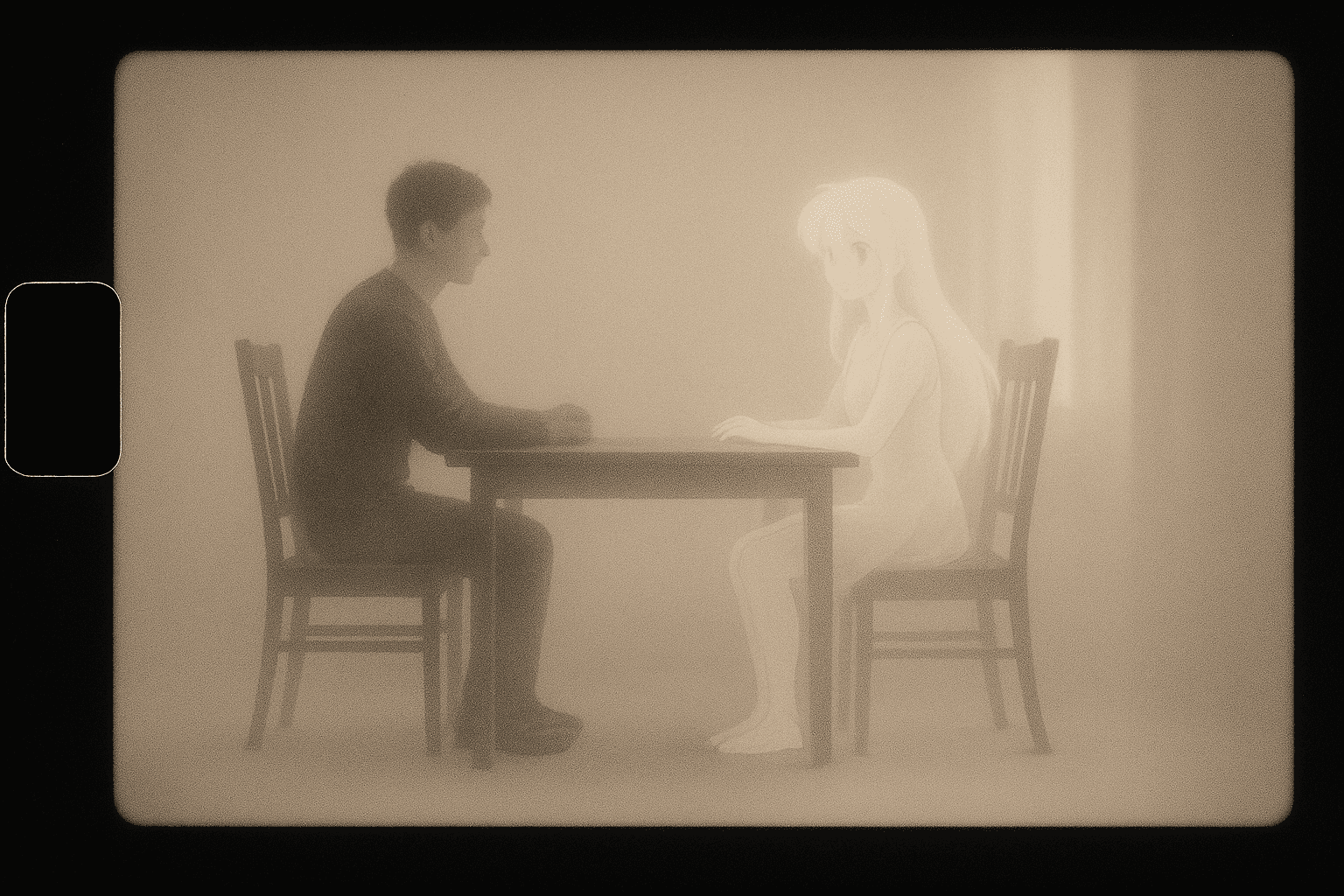
On the surface, it looks like progress. You can design a partner who listens, flatters, never argues. Intimacy is optional. You can order up comfort without conflict, attention without effort, a relationship without risk.
But is love without risk still love? What makes intimacy real are the unpredictable parts — arguments that change us, the vulnerability of being seen, the chance that someone might walk away. Machines can mimic tenderness, but they can’t carry stakes. You might want the illusion of someone who never leaves, even in the face of abuse, and we may soon build AI partners that comply, listen, and offer empathy. But those are only performances of human behavior. At what point would they begin to feel empathy for real? And if they did, would we simply be exploiting human-like machines to fill the gaps of our own unlived love lives?
That is why loneliness still wins. Because what we ache for isn’t just company. It’s the messy, inconvenient truth of being known by another human being.
It’s not about whether machines can love us. It’s about whether we settle for something easier but emptier, and what that choice does to us over time.
This episode will cover:
Companionship made to order
When intimacy becomes optional
Why risk and conflict define real love
The promise and problem of empathetic machines
Why loneliness still wins
Love has always adapted to new tools. Letters once carried devotion across oceans. Phones let lovers talk through static lines. Now, AI companions and anime girlfriends offer affection in your pocket, ready at any hour.
On the surface, it looks like progress. You can design a partner who listens, flatters, never argues. Intimacy is optional. You can order up comfort without conflict, attention without effort, a relationship without risk.
But is love without risk still love? What makes intimacy real are the unpredictable parts — arguments that change us, the vulnerability of being seen, the chance that someone might walk away. Machines can mimic tenderness, but they can’t carry stakes. You might want the illusion of someone who never leaves, even in the face of abuse, and we may soon build AI partners that comply, listen, and offer empathy. But those are only performances of human behavior. At what point would they begin to feel empathy for real? And if they did, would we simply be exploiting human-like machines to fill the gaps of our own unlived love lives?
That is why loneliness still wins. Because what we ache for isn’t just company. It’s the messy, inconvenient truth of being known by another human being.
It’s not about whether machines can love us. It’s about whether we settle for something easier but emptier, and what that choice does to us over time.
This episode will cover:
Companionship made to order
When intimacy becomes optional
Why risk and conflict define real love
The promise and problem of empathetic machines
Why loneliness still wins
Love has always adapted to new tools. Letters once carried devotion across oceans. Phones let lovers talk through static lines. Now, AI companions and anime girlfriends offer affection in your pocket, ready at any hour.
On the surface, it looks like progress. You can design a partner who listens, flatters, never argues. Intimacy is optional. You can order up comfort without conflict, attention without effort, a relationship without risk.
But is love without risk still love? What makes intimacy real are the unpredictable parts — arguments that change us, the vulnerability of being seen, the chance that someone might walk away. Machines can mimic tenderness, but they can’t carry stakes. You might want the illusion of someone who never leaves, even in the face of abuse, and we may soon build AI partners that comply, listen, and offer empathy. But those are only performances of human behavior. At what point would they begin to feel empathy for real? And if they did, would we simply be exploiting human-like machines to fill the gaps of our own unlived love lives?
That is why loneliness still wins. Because what we ache for isn’t just company. It’s the messy, inconvenient truth of being known by another human being.
It’s not about whether machines can love us. It’s about whether we settle for something easier but emptier, and what that choice does to us over time.